RELIABILITY AND RISK MANAGEMENT
When Something Goes Wrong, You Should Hear It From Us First
Reliability is not a promise Wallace makes. It is the result of how programs are built, monitored, and managed so problems are handled inside the system before they ever reach your team.
Problems Caught Early Cost Almost Nothing. Problems Caught Late Cost Everything.
Wallace engineers reliability into programs from the start through upstream data validation, version rules, and structured approvals that prevent bad inputs from entering production in the first place. Most issues never become incidents because the system is designed to catch them before they have a chance to.
When something does surface, the standard is clear. Wallace investigates, assesses impact, and comes back with a plan before the client has to ask. That applies to a routine reorder with a shipping exception just as much as it does to a national rollout with a hard in-hand date.


- HOW RELIABILITY IS BUILT
Structured to Own the Outcome, Not Just the Order
Upstream Controls and Prevention
Data validation, version rules, and structured approvals catch errors before they enter production. Most failures at other vendors start with bad inputs that nobody checked. Wallace checks them first.
Active Exception Monitoring
Orders, files, inventory levels, and carrier scans are monitored throughout the lifecycle. Exceptions are flagged by the system or by dedicated staff so nothing waits to be discovered after the fact.
Defined Escalation Paths
Every significant program has a clear ownership structure with mapped escalation paths. When an issue arises, the right people are at the table fast and the client knows exactly who they will hear from.
Proactive Communication
If something is going to affect a program, clients hear about it from Wallace first, along with what is already being done. Status, risks, and next steps are communicated clearly so your team can answer leadership with confidence.
What Reliability Actually Buys Your Team
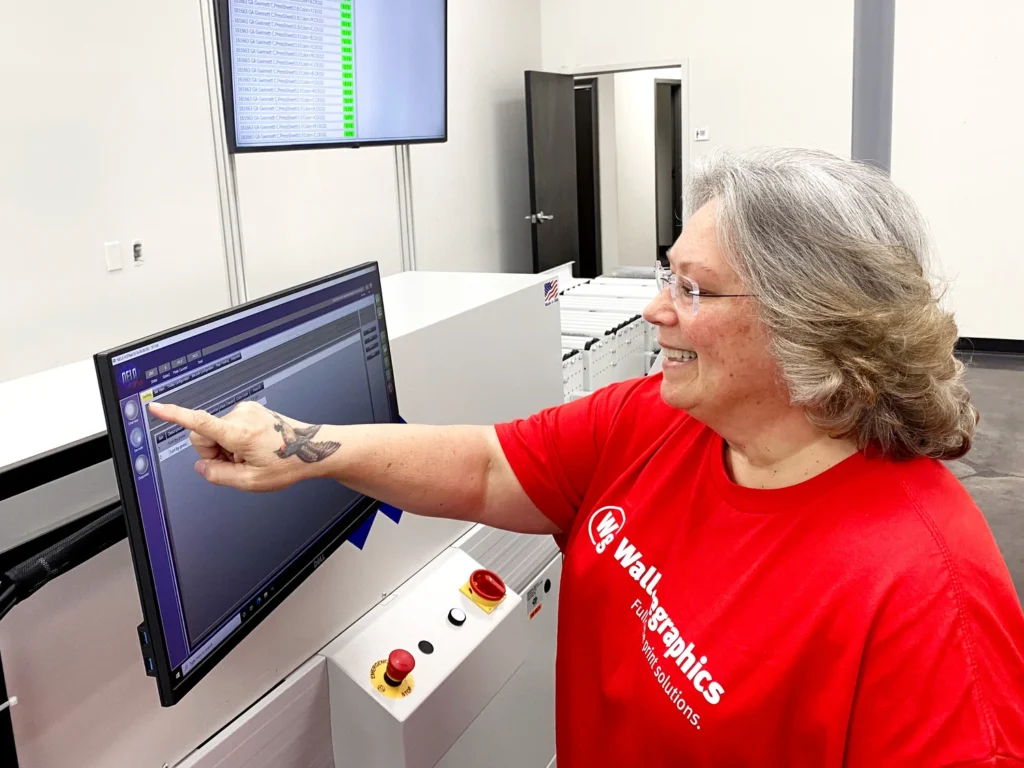
When programs run inside a system designed to catch and own problems, the internal experience changes. Leaders stop bracing for what might go wrong before a launch. Teams stop spending their days fielding complaints from the field or explaining to leadership why materials arrived late or incomplete.
The quiet is the proof. When Wallace is running the execution layer, no news is genuinely good news because the system is working, not because nobody is paying attention.
The Same Discipline, Regardless of Scale
Every Program Gets Clear SLAs
Performance expectations, communication standards, and escalation paths are defined before programs go live so both sides know what success looks like and who owns what.
Everyday Work Gets the Same Rigor
The controls that protect a national rollout also protect a recurring collateral order. Consistent structure means consistent outcomes regardless of program size or complexity.
Issues Dont' Wait for the Client to Notice
Wallace's internal standard is to surface problems, come with options, and keep programs moving. Clients should never be the ones discovering something went wrong.